Tourist Attractions
Mumbai Travel Guide: Famous Attractions, Coastal Views and City Experiences
A practical first-time Mumbai travel guide combining waterfront walks, landmark visits and neighborhood exploration.
4 min read
Mumbai's appeal is not simply that it is a large city beside the sea. It is the contrast between busy streets, distinctive architecture and places where you can pause to look out over the water. A rewarding first visit gives each of those experiences some room.
Instead of collecting attractions across the whole city, pick one neighborhood or cluster at a time. You will see more of Mumbai by moving thoughtfully than by trying to cover every famous name in a single day.
Start with Mumbai's waterfront landmarks
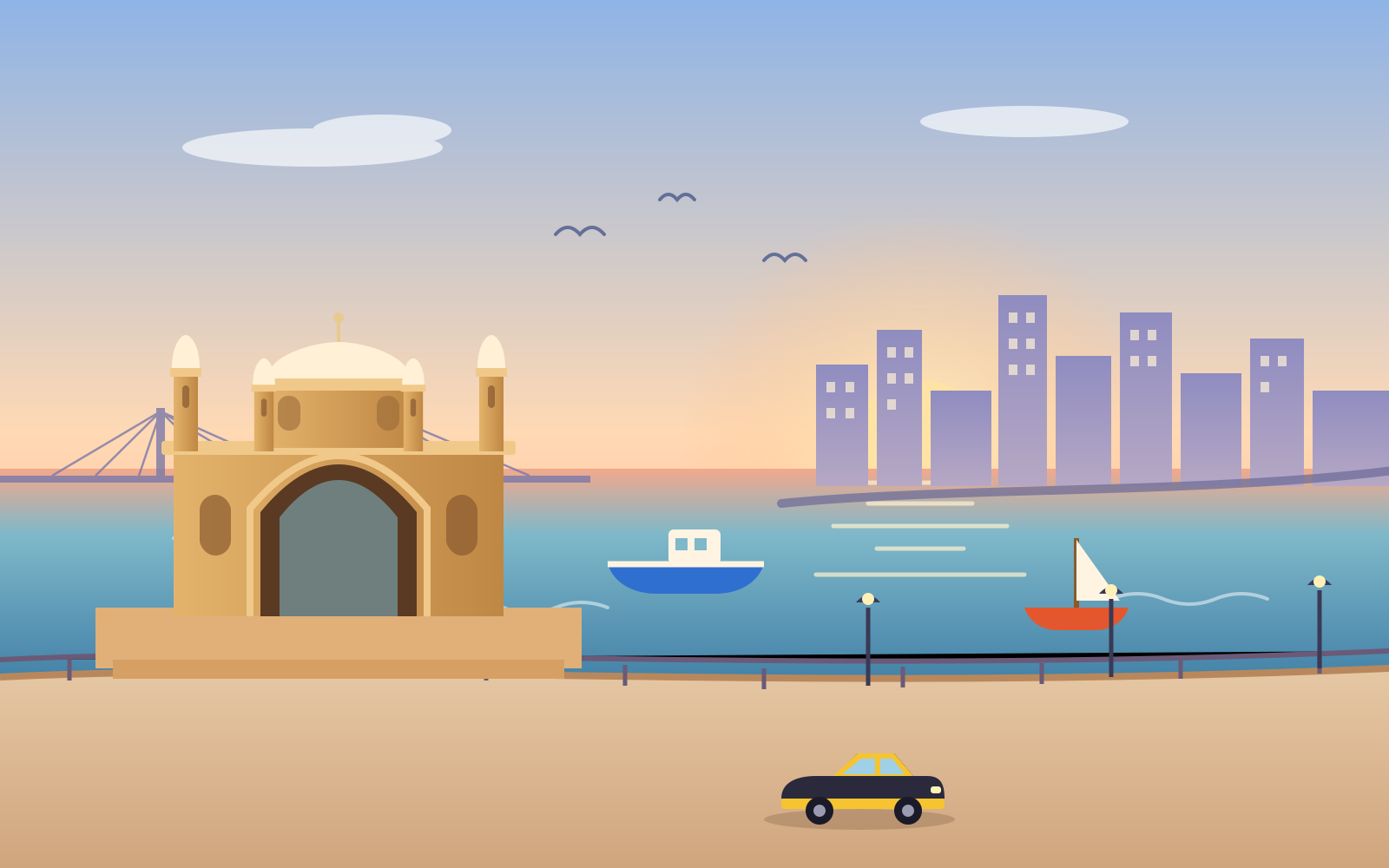
The a landmark near the harbor is a recognizable waterfront landmark and a natural choice for visitors who want a sense of Mumbai's historic architecture and harbor setting. Nearby areas can be explored on foot if your group's comfort and the day's conditions allow. Check any current access or security arrangements before visiting.
a waterfront promenade offers a different waterfront experience: a long urban promenade where the sea and city sit side by side. It is particularly suited to travelers who enjoy a walk, a view and time to observe daily life. A waterfront stop is not necessarily a beach day; plan it as a city experience rather than a swimming outing.
Choose one waterfront area to enjoy properly instead of trying to fit every coastal stop into one afternoon.
Architecture, streets and neighborhoods
Mumbai rewards visitors who notice details beyond the headline sights. Look for differences between grand historic facades, everyday commercial streets and newer urban buildings. A neighborhood walk can reveal as much about the city as a single monument.
a waterfront neighborhood is a useful area to consider when researching a first-time route around the southern waterfront. If you prefer a broader city-life experience, research another neighborhood based on the restaurants, shops or cultural stops you want. Avoid treating the entire city as one walkable district.
Before setting off, choose one anchor on your map and identify one or two nearby places that genuinely interest you. This is more effective than following an attraction list without considering how the locations connect.
What kind of Mumbai visit suits you?
- Architecture and photography: choose a landmark and allow time to look closely at surrounding buildings and streets.
- Waterfront and relaxed evenings: plan a promenade visit without another major commitment immediately afterward.
- Shopping and food: focus on one neighborhood, then explore at a comfortable pace.
- Families: combine one major stop with a place to sit, eat and rest.
- Short city breaks: choose two strong experiences instead of a crowded multi-area itinerary.
Mumbai can feel energetic, so rest is not wasted time. A slower afternoon may make an evening outing more enjoyable.
A simple Mumbai itinerary
Day one: the southern waterfront. Build the day around a landmark and a nearby area to explore. Keep meals and breaks flexible, and avoid adding a distant attraction unless you have confirmed the journey works.
Day two: city life and a sea view. Spend part of the day in a neighborhood that matches your interests, then leave a separate window for a waterfront walk.
Extra day: personal interests. Choose a museum, shopping area, cultural experience or relaxed day according to your preferences. Use this day as a buffer if the weather changes your plans.
This is a planning framework, not a fixed route or statement of travel times. Check current transport options and site access for your dates.
How to choose your accommodation area
A convenient base is one that works for your itinerary. Before booking, compare the distance and practical connections between your accommodation and the places you actually want to see. A hotel that looks central on a map may still leave you with long journeys.
Save your first-night address, booking confirmation and transport notes offline. If you are visiting several cities, consider how arrival and departure plans affect your first and last days in Mumbai.
Coastal weather and practical comfort
The sea is part of Mumbai's character, but outdoor plans still depend on conditions. Check the weather for your travel dates and have an indoor alternative for any waterfront outing. Our best-time-to-visit-India guide explains how to think about regional weather without assuming the same conditions everywhere.
Bring comfortable shoes, water and a compact day bag. Follow local instructions near the shoreline and do not assume that a scenic waterfront is a suitable swimming location. The India packing checklist can help with city and coastal essentials.
Mumbai compared with Delhi and Goa
Mumbai works best for travelers who want a city with a strong waterfront identity. Delhi offers a different emphasis on historic landmarks and capital-city contrasts. Goa is a better fit when the main purpose is a relaxed beach holiday rather than urban exploration.
Preparing for your trip
If Mumbai is part of a leisure holiday, the Tourist e-Visa page and India e-Visa guide are useful starting points for organizing travel preparation. Travelers based in Singapore can also use the first-holiday planning guide.