Tourist Attractions
Delhi Travel Guide: Historic Landmarks, Markets and Things to Do
A Delhi travel guide to choosing historic landmarks, markets and neighborhood experiences without overcrowding your itinerary.
4 min read
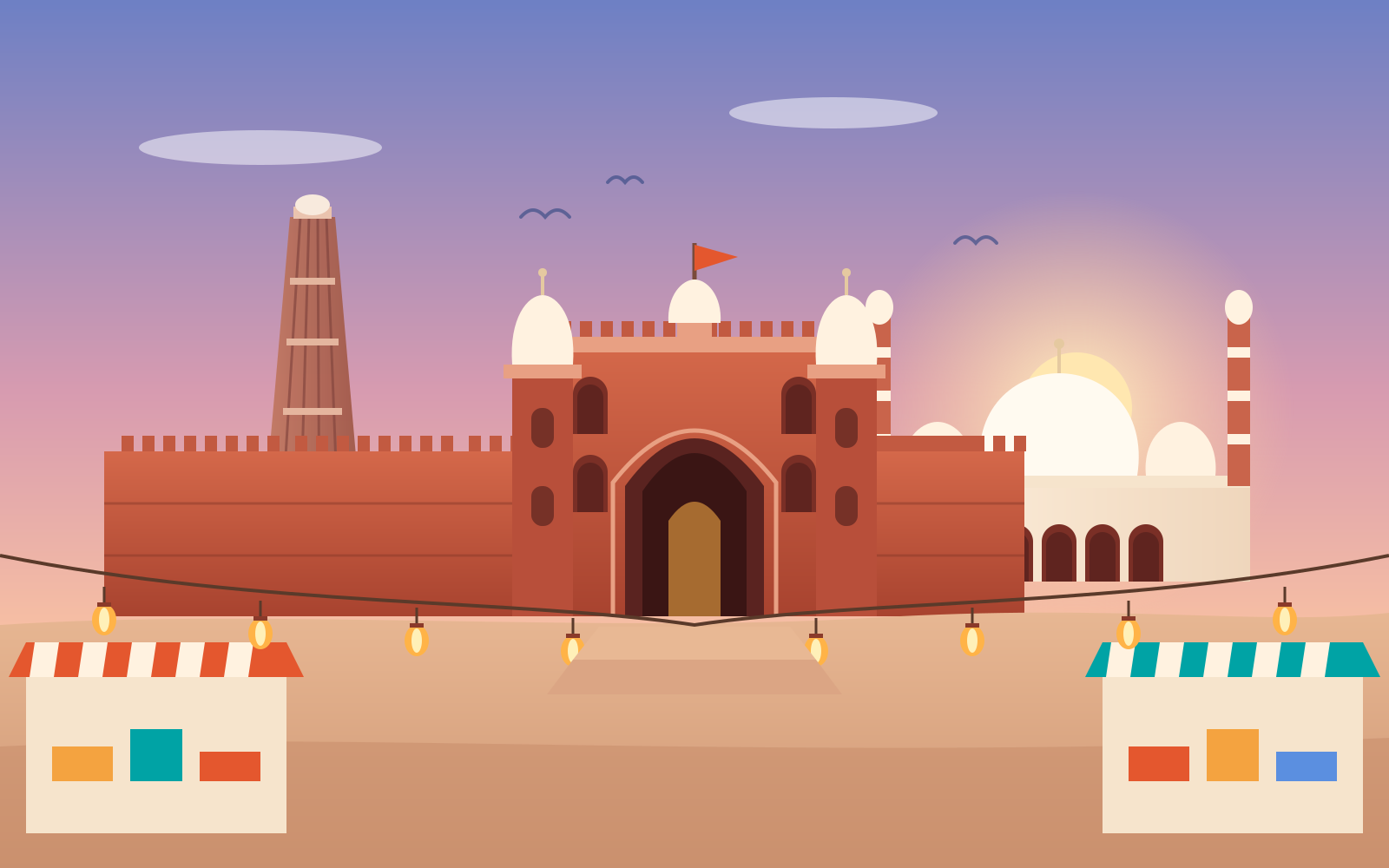
Delhi can feel like several cities in one. Historic buildings, crowded shopping streets, quieter corners and the rhythm of a modern capital all compete for your attention. The trick is not to fit everything into a single visit. It is to decide which side of Delhi you want to experience, then give each day a manageable focus.
For a first trip, combine a major landmark with a neighborhood experience and enough time to move between them. This guide helps you build that kind of visit without turning the holiday into a race.
What to see in Delhi: start with a few anchors
Delhi is known for historic architecture and active city life. Rather than beginning with a long checklist, select one or two anchors and build the rest of your day around them.
a major historic fort is a useful starting point for travelers interested in monumental architecture and Delhi's layered past. a garden-set historic monument offers a different architectural experience, with a garden setting that invites slower exploration. another architectural landmark is another recognizable landmark for visitors drawn to historic structures. These are suggestions for building a shortlist, not a claim that you can comfortably cover them all in one outing.
For a quieter contrast, consider a garden or an unhurried meal after a major sightseeing stop. Verify current visitor access, opening arrangements and photography rules before setting your itinerary.
Markets: decide what kind of browsing you enjoy
A market visit can be one of the most memorable parts of Delhi, but it helps to know what you want from it. Are you looking to browse textiles and gifts, observe busy street life, or enjoy a relaxed shopping afternoon?
a traditional market district is a familiar name for travelers interested in bustling traditional market streets. a more contemporary shopping area offers a contrasting commercial setting. Neither is a substitute for checking which specific shops or streets interest you; a market district can cover far more ground than expected.
Plan one browsing area rather than hopping between several. Keep valuables secure, agree on meeting points if traveling in a group, and leave time to stop for food or a break. Shopping should be part of the experience, not a deadline.
Older streets and newer districts: two different moods
The contrast between older streets and broad modern-city areas is central to Delhi's appeal. An historic-district-focused outing can emphasize historic surroundings, busy lanes and market life. A modern-district-focused outing can emphasize major avenues, architecture and a more spread-out urban setting.
You do not have to cover both in one day. A first-time visitor may enjoy them more as separate outings, especially when traveling with children or anyone who prefers a gentler pace. Check a map before combining attractions; sharing a city name does not mean two places are close together.
A flexible two- or three-day Delhi itinerary
First day — architecture and orientation. Choose one major historic landmark, then add a nearby stop or a relaxed meal. Use the rest of the day to get familiar with your accommodation area.
Second day — markets and street life. Spend time in one market district, with a smaller cultural or food-related stop if you still have energy. Do not schedule another major cross-city outing just to fill the afternoon.
Optional third day — a different side of the city. Visit a second landmark or spend time in a quieter area. This is also your buffer if an earlier plan changes.
The sequence is illustrative, not a transport schedule. Check actual locations and travel arrangements before booking anything.
Where to stay and how to move around
Choose accommodation based on the areas you most want to explore, not only on a map's apparent center. Delhi is large, and moving between distant attractions can consume much of a day. Before booking, look at how you would reach your top two or three sights from your proposed base.
For each outing, note the destination, return plan and a backup option. Keep your accommodation address available offline. If you are arriving after a long journey, protect the first evening rather than immediately scheduling major sightseeing.
Comfort, weather and cultural etiquette
Delhi sightseeing often involves walking and time outdoors. Comfortable shoes, drinking water and sun protection are useful preparations. Conditions vary with your travel dates, so use the seasonal planning guide to plan around weather rather than assuming every day will feel alike.
At religious or cultural sites, follow posted rules, dress appropriately and ask before photographing people. If you hire a guide, agree on the route and scope of the visit beforehand.
Delhi or another Indian city?
Delhi is a good choice if you want historic sights and modern capital-city life together. Jaipur is a more concentrated choice for travelers drawn to palaces and forts. Mumbai offers a different combination of urban experiences and waterfront scenery. For a monument-centered stop, see the Agra travel guide.
Before you travel from Singapore
Once your destinations and dates are settled, review the India Tourist e-Visa information and e-Visa requirements for the preparation relevant to your circumstances. The first India holiday from Singapore guide helps organize documents and bookings.