Tourist Attractions
10 Beautiful Places to Visit in India for First-Time Travelers
Compare ten Indian destinations, from Agra and Jaipur to Kerala and Goa, and build a first trip around the experiences you enjoy most.
7 min read
India is not one kind of holiday. A first visit might be built around historic monuments, lakes and mountains, colorful markets, or long afternoons beside the water. The challenge is choosing places that work together rather than collecting as many famous names as possible.
These ten destinations offer different experiences. Use the descriptions to decide what matters to you, then check the connections and current arrangements for the places you shortlist. You do not need to see all ten on one trip.
1. Agra: the Taj Mahal and a landmark-led trip
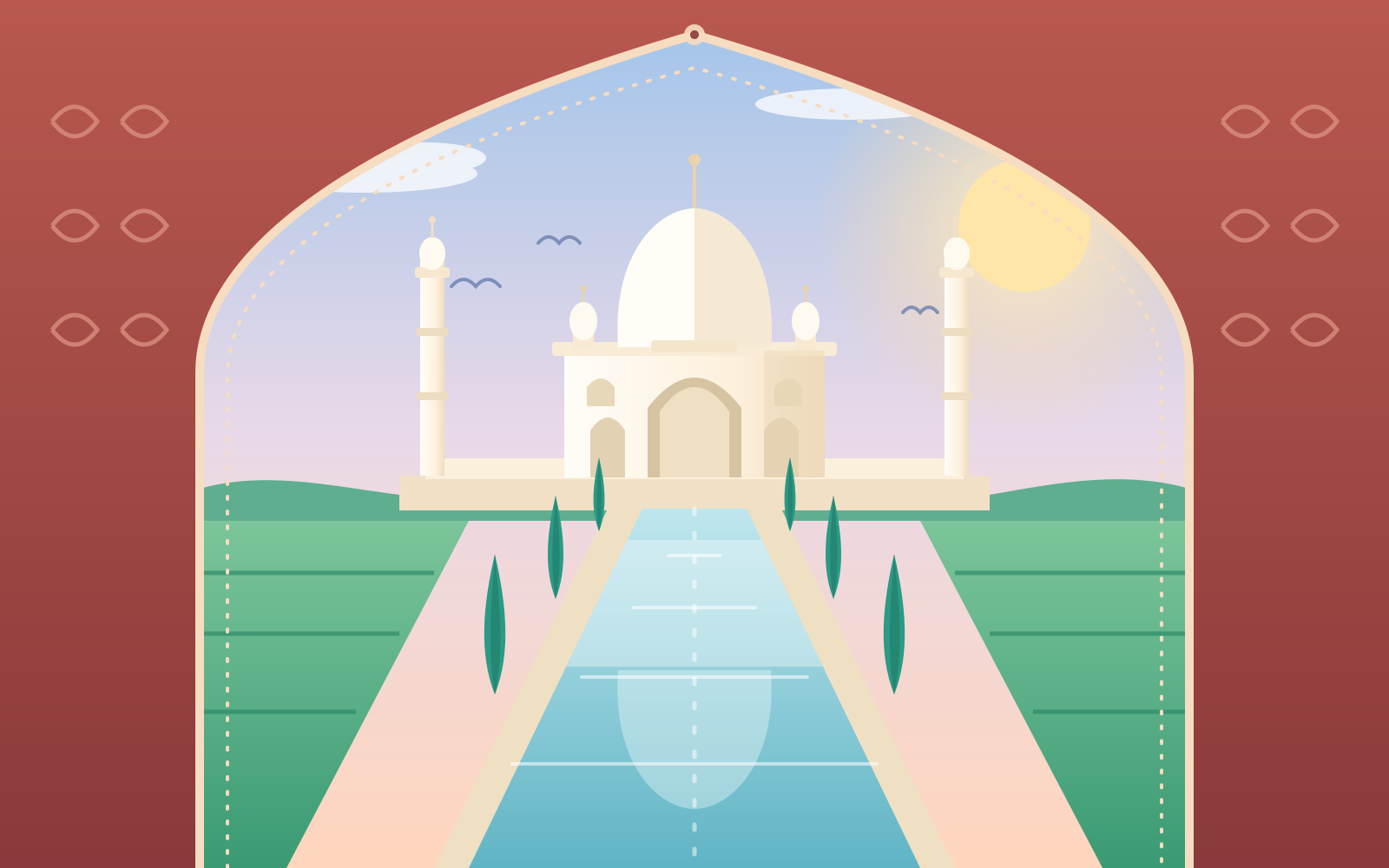
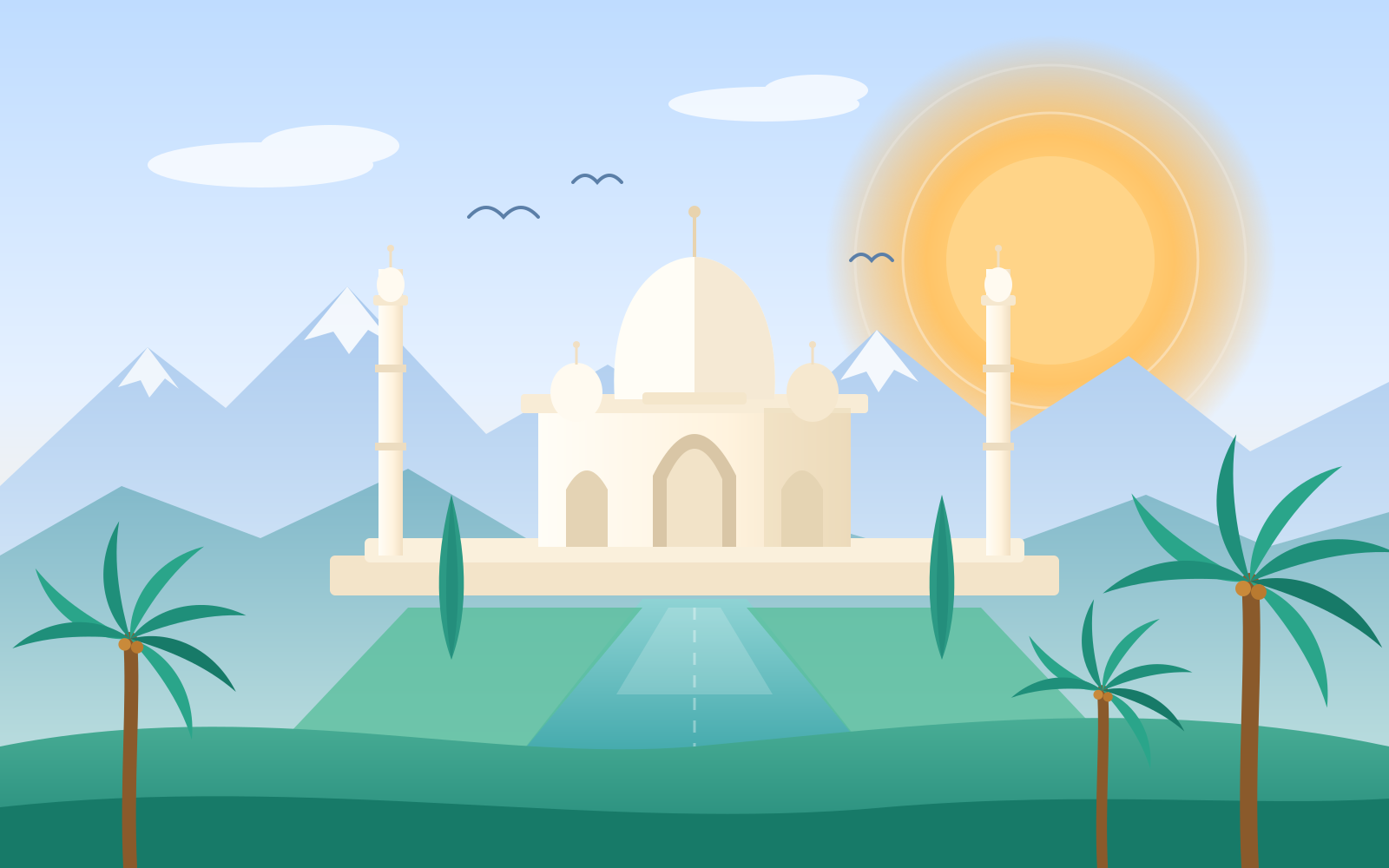
The Taj Mahal makes Agra a natural choice for a first visit focused on architecture. Its white marble, central dome, minarets and garden setting make the approach part of the experience, not just the moment you reach the building.
Choose Agra if: seeing a celebrated monument is one of your main reasons for visiting India.
Plan it well: give the Taj Mahal a proper place in your itinerary instead of treating it as a quick photograph between other stops. Decide how much time you want to spend looking at the building and its surroundings, and check current visitor arrangements before fixing your day. Our Agra travel guide focuses on preparing for that visit.
2. Jaipur: palaces, forts and colorful streets
Jaipur appeals to travelers who enjoy architectural detail. Hawa Mahal's pink facade and rows of small windows offer one recognizable example, while the city's palaces, forts and busy streets provide different ways to explore its character.
Choose Jaipur if: you enjoy heritage buildings, street photography, markets and the contrast between grand architecture and everyday life.
Plan it well: select one major architectural visit and one lighter activity for a day rather than rushing between too many stops. A palace-focused day and a fort-focused day can feel quite different. Explore the choices in our Jaipur travel guide.
3. Kerala: backwaters and slow travel
Kerala offers a different pace. Palm-lined waterways, green scenery and houseboat experiences make the backwaters a natural choice for travelers who would rather slow down than move between monuments all day.
Choose Kerala if: relaxation, time on the water and a quieter rhythm matter more than a packed sightseeing schedule.
Plan it well: decide whether you want a short water excursion or a longer stay built around the backwaters. Leave time to enjoy the surroundings without a checklist. Our Kerala backwaters guide helps you think through that choice.
4. Goa: a beach-centered holiday
Goa offers a coastal contrast to India's historic cities. Sandy beaches, open views and time near the sea make it appealing as either the focus of a holiday or a slower final stop after busy sightseeing.
Choose Goa if: you want a beach break, unhurried mornings and room in the itinerary to do very little.
Plan it well: choose a base that fits the type of stay you want instead of moving accommodation every day. Keep beach activities flexible and follow local advice on sea conditions. Our Goa travel guide explores the coastal style of trip.
5. Varanasi: culture along the river
Varanasi is a destination for travelers who want to experience a city's atmosphere as much as its sights. Riverside ghats, boats, temples and daily life along the Ganges create a setting that rewards patient observation.
Choose Varanasi if: cultural experiences, riverside scenes and understanding local traditions are central to your trip.
Plan it well: avoid treating every moment as a photo opportunity. Make room to observe, learn about local customs and behave respectfully around places of worship and people going about their lives. Ask permission before photographing individuals.
6. Srinagar and Kashmir: lakes and mountain scenery
Srinagar offers a landscape-focused experience, with Dal Lake, shikara boats and surrounding mountain scenery providing a striking contrast to the plains and the coast.
Choose Srinagar if: lakes, views, nature and photography are your main interests.
Plan it well: allow flexibility for conditions that affect outdoor plans. Research current local travel circumstances and practical arrangements before committing to a route, rather than assuming that plans made for another region will work here.
7. Delhi: heritage within a busy capital
Delhi combines historic landmarks with the energy of a large modern city. It suits travelers who like varied days: one centered on heritage, another on streets and neighborhoods, and another with a slower pace.
Choose Delhi if: you enjoy major cities and want history and contemporary life in the same stay.
Plan it well: organize sightseeing by area and allow time to move between stops. A short list of meaningful visits is more rewarding than crossing the city repeatedly. See our Delhi travel guide.
8. Mumbai: city energy beside the sea
Mumbai has a different character from Delhi. Its waterfront setting, urban activity and coastal views make it a strong option for travelers interested in modern city life as well as recognizable landmarks.
Choose Mumbai if: you enjoy lively cities, neighborhood exploration and time near the waterfront.
Plan it well: pick areas or themes for each day. Combine city sightseeing with a quieter waterfront stop rather than filling every hour. Our Mumbai travel guide offers a closer look.
9. Udaipur: lakes and heritage atmosphere
Udaipur combines lakeside scenery with historic architecture. Compared with a trip built entirely around large, busy cities, it can offer a more relaxed atmosphere and time to enjoy the setting itself.
Choose Udaipur if: you like scenic views, architecture and a slower rhythm.
Plan it well: avoid overscheduling. Choose a few experiences that interest you, then leave time to enjoy the lakeside setting without rushing to the next stop.
10. Amritsar: a culturally focused visit
Amritsar suits visitors who want to learn about the cultural and architectural traditions of a place. Rather than approaching the city as a checklist of photographs, make understanding local customs part of the visit.
Choose Amritsar if: meaningful cultural experiences and learning are more important than covering a large number of attractions.
Plan it well: find out what respectful clothing and behavior are expected at the places you intend to visit. Allow time to appreciate their significance and follow any visitor guidance on site.
Which destinations belong on your first trip?
Think about the kind of days you most enjoy:
- Architecture and history: Agra, Jaipur and Delhi are strong starting points.
- Cultural atmosphere: Varanasi and Amritsar reward time and attention.
- Big-city energy: Delhi and Mumbai offer contrasting urban experiences.
- Beaches and rest: Goa makes sense when relaxation is a priority.
- Water and a slower pace: Kerala and Udaipur suit travelers who want scenic downtime.
- Mountains and landscapes: Srinagar offers a different setting from the coast or heritage cities.
A first itinerary often works best when each destination has a role. One might be the main attraction, another the contrast, and a third a place to rest. That is more useful than choosing three cities simply because all three are famous.
Check the style before you choose the places
Before you shortlist places, check which kind of holiday suits you. Ask four questions. What do I want to feel at the end of the day: that I have seen a lot, that I have rested, or that I have been somewhere beautiful and calm? How many decisions do I want to make each day? What pace is honestly mine: fast, medium or slow? How much planning am I willing to do? A city rewards selection and walking, a coast rewards settling in, and a nature-led trip rewards patience and flexibility.
If three of your answers point the same way, you probably have your style. If they split, give one style the lead and keep a second in support, because a trip that gives equal time to everything tends to please no one and every move between bases costs time and energy. Then test the choice against one ordinary day: where you would wake up, what you would do before lunch, how much time you would leave between activities, and what happens if the weather changes or you are tired. If that ordinary day still sounds appealing, the style fits you.
Planning a short city break shows how to fit a style into a few days, and tourist e-Visa preparation covers the preparation side.
Build a route without overloading it
Start with your top two or three interests. Then shortlist destinations and check how they connect before deciding the order. Do not assume places are close because they appear together in a travel article. Moving between regions can take a meaningful part of a holiday.
For each stop, write down your main reason for going, the experiences you want to prioritize, and the time you can realistically give it. Leave room for travel, rest and changes in plans. If your list starts to feel crowded, remove a stop rather than making every day busier.
If you are traveling from Singapore, our first India holiday planning guide covers the decisions to make before departure. You can also use the seasonal planning guide to consider how conditions may differ between destinations.
Prepare for the trip after choosing your places
Once you have a rough itinerary, keep your travel dates, passport details and bookings consistent. If your visit is for sightseeing or a holiday, the Tourist e-Visa information, requirements page and India e-Visa guide explain the information presented on this website.
Use your planning time to narrow your destinations, organize your documents and make a first holiday feel manageable.