
Singapore to Delhi, Jaipur & Agra in November: India eVisa & Golden Triangle Guide
Discover India's iconic Golden Triangle in perfect November weather. Complete guide for Singapore travelers: Delhi eVisa requirements, day-by-day itineraries, hotel tips, and insider advice for exploring the Taj Mahal, Amber Fort, and Jaipur's pink-painted palaces.
If you've ever imagined standing before the Taj Mahal at sunrise, navigating the chaotic energy of Delhi's bazaars, or watching the sunset from Agra's ancient fort walls, November is your moment. For Singapore travelers, November represents a convergence of perfect conditions: the scorching Indian heat has broken, the air is crisp and clear, and the famous Golden Triangle—India's most iconic route connecting Delhi, Jaipur, and Agra—is at its absolute best. This guide will walk you through everything a Singapore traveler needs to know about planning a Golden Triangle journey in November 2026, from eVisa requirements to day-by-day itineraries, practical logistics, and insider tips for experiencing India's greatest cultural landmarks without the chaos that comes with December's peak crowds.
Why November Is Perfect for the Golden Triangle From Singapore
November represents the sweet spot in India's tourism calendar. For Singaporeans accustomed to consistent tropical heat, November feels like discovering an entirely different season. Temperatures in the Golden Triangle typically range from 12-25°C (54-77°F)—genuinely cool mornings where you'll want a light jacket, pleasant afternoons, and crisp evenings. The humidity that defines June through September has evaporated. The monsoon rains ended weeks ago, leaving the air remarkably clear—which means visibility at iconic sites is exceptional. The Taj Mahal's white marble glows under clear skies. Delhi's ancient monuments appear against brilliant blue backgrounds. Photographic conditions are outstanding.
Beyond weather, November's timing aligns perfectly with Singaporean schedules. If you have school holidays or can plan around the busy Q4 business period, November offers respite. Most importantly, November sits between October's early-season travelers and December's overwhelming crowds. You'll experience authentic India without enduring the packed tour buses that characterize December and January.
For Singapore travelers' budgets, November pricing sits in the middle ground. Hotels charge slightly less than December-January peak rates—perhaps 15-20% less—but more than monsoon-season rates. This represents exceptional value for exceptional conditions. You're getting optimal weather at below-peak pricing.
Understanding the Golden Triangle: Geography & Distance
The Golden Triangle forms one of India's most efficient travel routes, connecting three essential destinations that represent different facets of Indian civilization. Understanding the geography helps you pace your itinerary realistically.
Delhi: The Capital
Delhi, India's capital, sits at the northern apex. This is where you'll likely arrive (most international flights land at Indira Gandhi International Airport). Delhi itself sprawls across ancient and modern zones—the Old City with its 400-year-old bazaars, and New Delhi with its tree-lined avenues and government buildings. Most tourists spend 2-3 days here, exploring the Red Fort, Jama Masjid, Raj Ghat (where Gandhi was cremated), and the various temples and tombs scattered across the city.
Jaipur: The Pink City
From Delhi, Jaipur lies roughly 240 kilometers southeast. The journey takes about 5-6 hours by road, or just 2.5 hours by direct flight. Jaipur, India's first planned city, is famous for its distinctive pink-painted buildings (earning it the nickname "Pink City"), its magnificent City Palace that's still partially a royal residence, and the architectural marvel of the Hawa Mahal (Palace of Winds) with its 953 small windows. Jaipur also serves as the gateway to surrounding Rajasthan—you could venture to the magnificent Amber Fort overlooking the city, or to various palaces scattered across the region.
Agra: The Taj Mahal
From Jaipur, Agra lies about 240 kilometers further southeast—another 4-5 hour drive or 1.5 hour flight. Agra's fame rests on a single, incomparable monument: the Taj Mahal, widely considered the world's most beautiful building. Built in the 17th century by Mughal emperor Shah Jahan as a mausoleum for his beloved wife, the Taj Mahal is simultaneously a monument to love and to staggering architectural precision. Beyond the Taj Mahal, Agra offers the Agra Fort, where emperors once ruled, and the smaller but architecturally fascinating Itimad-ud-Daulah (sometimes called the "Baby Taj").
Golden Triangle Weather in November: Perfect Conditions Explained
November's climate transformation from October is dramatic. By early November, India's monsoon has completely withdrawn. The pre-winter cooling has begun. For the Golden Triangle specifically, November offers ideal conditions that won't be replicated until the following October.
North India Temperature & Climate
November temperatures in Delhi and surroundings typically range from 10-25°C. Early November is warmer (perhaps 20-25°C daytime), while late November cools to 12-20°C. Morning temperatures can genuinely feel cold—a light sweater or jacket is necessary until 9-10 AM. This represents a revelation to tropical Singapore travelers: the experience of four seasons compressed into a few weeks. The air is dry and crisp. Humidity, which hovers around 75%+ in summer, drops to 40-50%. This dryness creates a clarity that benefited photographers for centuries before Instagram existed.
Rajasthan & Agra Variations
Jaipur sits at slightly higher elevation than Delhi, making it marginally cooler. Expect similar temperature ranges: 10-25°C, with similar morning coolness. The desert environment means temperature swings between day and night are more pronounced than in Delhi or Agra. A site you visit at noon might feel warm; the same site at sunrise might require a jacket. This variability is actually advantageous—it keeps you from experiencing the oppressive sameness of tropical heat.
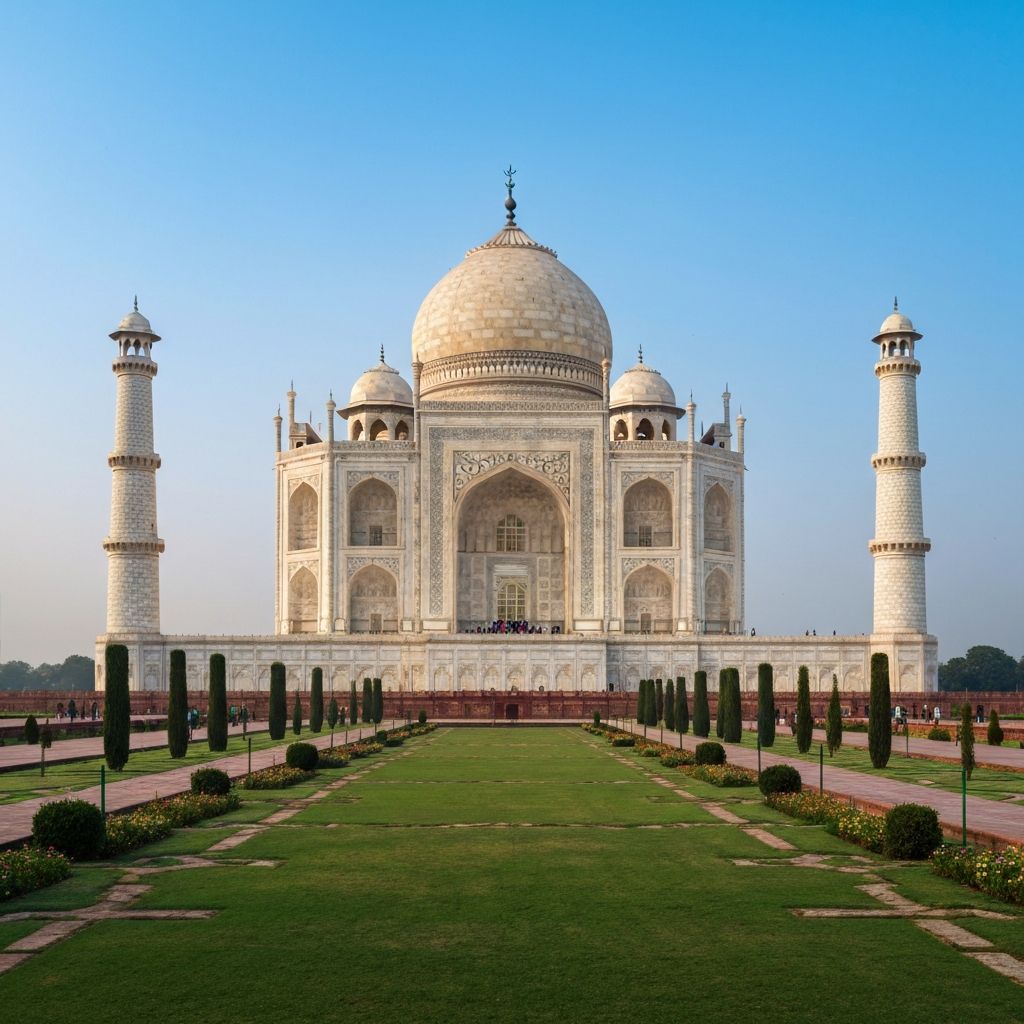
Agra's proximity to the Yamuna River moderates temperatures slightly. November ranges are similar to Delhi: 10-25°C. The Taj Mahal is stunning in every season, but November's clear skies and golden afternoon light make it transcendent. The 5 AM sunrise visit that every travel guide recommends becomes genuinely pleasant in November—the cold, clear air makes the early start feel adventurous rather than exhausting.
Rainfall & Practical Implications
Rainfall in November is negligible. The entire month typically receives less than 10mm of rain across the Golden Triangle. Practical implication: you can plan outdoor activities with absolute confidence. No weather-induced cancellations. No "monsoon dampness" making everything feel sticky.
Planning Your November Golden Triangle Itinerary: Day-by-Day Breakdown
Most Singapore travelers allocate 7-10 days for the Golden Triangle. This allows comfortable pacing without feeling rushed. Here's a realistic day-by-day breakdown that maximizes your experience while respecting your need for reasonable sleep and rest.
Days 1-2: Delhi Arrival & Acclimatization
Your flight from Singapore (typically 6-7 hours non-stop) arrives at Indira Gandhi International Airport. After immigration, baggage collection, and airport transfers, you'll reach your hotel early afternoon. Rather than immediately launching into sightseeing, Day 1 is wisely spent adjusting—resting, hydrating, eating familiar food if needed, and allowing your circadian rhythm to adjust to the 2.5-3.5 hour time difference.
Day 2 begins your actual Delhi exploration. The standard itinerary hits the Red Fort (Lal Qila), the massive 17th-century fortress built by Mughal emperor Shah Jahan. The fort's red sandstone walls are imposing; the interior reveals the once-sumptuous royal quarters. Plan 1.5-2 hours, visiting early morning (by 9 AM) to avoid crowds and peak heat.
Next, explore Jama Masjid, India's largest mosque built in 1656. Non-Muslim visitors are welcome outside prayer times. The courtyard accommodates 25,000 people. Climbing the minaret offers panoramic views of Delhi's Old City. Plan 1 hour total. Then visit Raj Ghat, the simple memorial marking where Gandhi was cremated in 1948. The site evokes contemplation rather than grand architecture. Plan 30 minutes.
Conclude with India Gate, the massive war memorial arch in New Delhi, surrounded by gardens. It's less historically significant than Old City sites but offers a sense of modern Delhi's scale. The surrounding gardens are pleasant for evening strolls. Plan 30 minutes to 1 hour depending on your energy level.
Days 3-4: Jaipur & Pink City Exploration
From Delhi, take either a domestic flight (2.5 hours) or drive (5-6 hours) to Jaipur. Most travelers fly. Upon arrival, settle into your Jaipur hotel.
The iconic Hawa Mahal (Palace of Winds) features 953 small latticed windows built in 1799. It's narrower than photographs suggest—a 5-story facade that housed royal women who could observe the city without being seen. The facade alone takes 30 minutes to properly photograph and appreciate. The interior is less impressive (it was designed as a screen, not as functional interior space). Plan 45 minutes to 1 hour.
The City Palace, a functioning royal residence, mixes 18th-century Rajasthani architecture with Mughal and Western influences. Parts remain home to the royal family; parts are museums open to visitors. The courtyards and gardens reveal the scale of royal life. Plan 1.5-2 hours.
Amber Fort (Amer Fort) perches on a hilltop overlooking Jaipur, showcasing Rajasthan's military architecture. The climb to the fort reveals increasingly expansive views of Jaipur and the surrounding landscape. The fort's interior reveals royal quarters, audience halls, and temples. Most visitors spend 3-4 hours here. Many time their visit for late afternoon to photograph the fort in golden light as sunset approaches.
Finally, visit Jantar Mantar, an 18th-century astronomical observation site that UNESCO recognizes as a masterpiece of scientific architecture. It's subtle compared to palaces, but mathematically and architecturally remarkable. Plan 1.5 hours.
Days 5-6: Agra & the Taj Mahal
From Jaipur, reach Agra via domestic flight (1.5 hours) or drive (4.5-5 hours). Flight is recommended to preserve time.
The essential Agra experience begins with the Taj Mahal at sunrise—the standard recommendation. Arrive by 6 AM before crowds. November's clear, cool morning makes this genuinely pleasant rather than an endurance test. The sunrise light is sublime. Most visitors spend 2-3 hours wandering the grounds, entering the mausoleum (shoes must be removed or covered), and soaking in the architectural precision. The Taj Mahal functions simultaneously as a building and as a poem in marble. Photography captures its appearance but not its emotional impact.
Agra Fort, built in 1565, controlled trade routes and represented Mughal power. From within the fort, the Taj Mahal is visible across the river—the juxtaposition of the emperor's fortress and his greatest love letter in marble is poignant. The fort's interior reveals palaces, gardens, and the small chamber where the elderly emperor was imprisoned by his son and could only view the Taj Mahal from his window. Plan 1.5-2 hours.
Itimad-ud-Daulah (Baby Taj) is a smaller, more delicate mausoleum built for a nobleman's mother. Some argue its proportions are more perfect than the Taj Mahal itself. It's less visited than its famous neighbor, meaning you'll experience it with fewer crowds. Plan 1-1.5 hours.
Mehtab Bagh, a garden across the river from the Taj Mahal, offers a different perspective. Sunset here creates a spectacular backdrop for photographs. Plan 1 hour.
Day 7: Return to Delhi & Departure
Most 7-day itineraries conclude with return to Delhi for international flight departure. A flight from Agra to Delhi takes 2.5 hours. You'll want to arrive at the airport 3-4 hours before your international flight.
For travelers with more time, an 8-10 day itinerary might include an additional day in Jaipur for Amber Fort and other sites, a side trip from Jaipur to Pushkar or other Rajasthan destinations, more time in Delhi for museums (National Museum, National Gallery of Modern Art), or a day trip from Agra to Mathura or Vrindavan (sacred Krishna sites).
November Golden Triangle Travel Logistics: Flights, Hotels & Getting Around
Reaching the Golden Triangle from Singapore
Most Singapore travelers fly Singapore Airlines, Air India, or Vistara. Non-stop flights from Singapore Changi to Delhi take 6-7 hours. Flights typically depart Singapore late evening, arriving in Delhi early morning—a timing that naturally positions you for a rest day before beginning sightseeing. From Delhi, you can connect via domestic flights, rental cars, or trains to reach Jaipur and Agra. For most travelers, direct flights to India and domestic flights offer the best balance of time and convenience.
Local Transportation Within the Golden Triangle
Within each city, Uber is widely available and affordable (typically SGD 2-5 for short journeys). Drivers are professional; vehicles are modern. Highly recommended for Singapore travelers. Auto-rickshaws are three-wheeled vehicles iconic to India—cheap (SGD 0.50-2) but negotiation is required if using unmarked autos without meters. For first-time travelers, Uber is typically more comfortable. Many hotels arrange guided tours ensuring you see key sites and understand historical context. Costs vary but typically SGD 30-60 per person per day.
Accommodation in the Golden Triangle
November's popularity means hotels fill quickly. Book your accommodation at least 4-6 weeks in advance. Budget ranges include budget hotels (SGD 30-60 per night—clean, basic rooms in areas outside main tourist zones), mid-range hotels (SGD 60-150 per night—good locations, reliable standards, air conditioning, simple breakfast included), and upper-range hotels (SGD 150-300+ per night—heritage hotels in restored palaces, luxury chains, exceptional service).
For travelers familiar with Singapore's hotel standards, mid-range Indian hotels circa SGD 80-100 typically offer good value and comfort without excessive cost. Location matters tremendously. In Delhi, staying in the "Connaught Place" or "South Extension" areas puts you within comfortable distance of key sites. In Jaipur, the "C-Scheme" area is centrally located. In Agra, proximity to the Taj Mahal area is essential.
Visa Essentials for November Golden Triangle Travel
You'll need an eVisa to enter India. The Indian government offers tourist eVisa valid for 30 days or 1 year, with single-entry or multiple-entry options. For a Golden Triangle trip, the 30-day single-entry tourist eVisa is standard and costs far less than longer-term options.
Application Timeline & Requirements
Apply 4-6 weeks before your travel date. Processing is typically 3-5 business days, though it can occasionally take longer. Arrive early to avoid stress. You'll need a valid Singapore passport (minimum 6 months validity beyond your return date), a digital photograph, and to complete an online application. You don't need to visit an Indian embassy or consulate—the entire process happens online.
eVisa Validity & Considerations
Your 30-day visa begins from the date you enter India, not from the approval date. If your flight arrives November 8 and you spend 7 days in the Golden Triangle, your visa covers you through November 15. The multiple-entry eVisa allows you to exit and re-enter India if you're considering side trips (to Nepal's Kathmandu, for example, or to Sri Lanka) during your time in the region. Most travelers on a single Golden Triangle trip use single-entry eVisa. Check current visa fees for accurate pricing.
Money, Budgeting & Practical Expenses
Currency & Exchange Rates
India's currency is the Indian Rupee (INR). 1 SGD = approximately 55-60 INR (rates fluctuate). Use ATMs in India to withdraw cash, or exchange money at your hotel (typically poor rates) or at airport exchanges (reasonable rates). Carry a mix of cash and credit cards. Many hotels accept credit cards, but smaller restaurants and shops operate cash-only.
Daily Budget Breakdown
Per person, mid-range travel, daily estimates include hotel (₹4,000-8,000 / SGD 75-150), meals mixing local restaurants and upscale dining (₹1,500-3,000 / SGD 28-55), site entry fees for Taj Mahal, forts, etc. (₹500-2,000 / SGD 9-37 total per day), local transport via Uber and taxis (₹500-1,500 / SGD 9-28), and miscellaneous for guides, activities, shopping (₹1,000-2,000 / SGD 18-37).
Total Daily Estimate: SGD 130-310 per person depending on choices. Mid-range travelers typically spend SGD 150-200 daily, meaning a 7-day Golden Triangle trip costs approximately SGD 1,050-1,400 (excluding international flights from Singapore). For detailed budgeting information specific to Singapore travelers, refer to our comprehensive budget guide.
Tipping & Gratuities
Tipping is appreciated but not mandatory—rounding up bills or leaving 10% for excellent service is appropriate. Tour guides appreciate tips of SGD 5-15 per day depending on group size and quality of service. Hotel porters appreciate SGD 1-2 per bag.
What to Pack for November Golden Triangle Travel
November requires different packing than tropical Singapore. Temperatures dropping to 10°C in the morning might surprise you. Essential clothing includes 2-3 long-sleeved lightweight shirts (for morning warmth and sun protection), 1-2 light sweaters or fleece jackets (mornings and evenings), 4-5 pairs of lightweight trousers or long skirts (temperature and cultural respectfulness), 2-3 pairs of comfortable walking shoes (broken in; you'll walk extensively), comfortable sandals for hotels and casual moments, and 1 pair of formal pants or dress (if planning upscale dinners).
Essential accessories include sunscreen (SPF 30+—critical even in cool months), hat or cap (for sun protection while sightseeing), sunglasses, and a modest scarf or shawl (for temple visits and cultural sensitivity). For toiletries, bring any prescription medications in original packaging, basic first aid supplies (antihistamine, antacid, pain relievers), sunscreen and lip balm with SPF, moisturizer (November's dry air can chap lips and dry skin), and personal hygiene items. India uses the same power adapters as Singapore, or standard Type A/C adaptors. Bring a power bank for charging availability at sites. Important documents include your passport, printed eVisa approval or screenshot, travel insurance policy (critical; ensure medical emergency coverage), and credit cards with emergency cash.
Essential Golden Triangle Travel Tips for Singapore Travelers
Respecting Local Culture
India is deeply religious and culturally rich. When visiting temples, mosques, and holy sites, dress modestly (shoulders and knees covered). Remove shoes where indicated. Photography restrictions exist in some temples—always ask before photographing people or religious ceremonies.
Water, Food & Health Safety
Drink bottled water exclusively. Even in upscale hotels, many travelers stick to bottled water. Avoid ice (made from tap water). Eat at established restaurants; if street food appeals to you, choose vendors with high turnover where food is freshly prepared. The most common issue isn't severe illness but mild digestive adjustment to unfamiliar spices and water. See our complete preparation guide for health and safety information before traveling.
Navigating Crowds & Peak Times
Even in November, popular sites attract crowds. The Taj Mahal at sunrise is packed even in this "shoulder season." Your reward for arriving by 6 AM is experiencing the Taj Mahal before tour buses arrive around 8-9 AM. Most sites are less crowded before 9 AM and after 4 PM. Book entries in advance where possible. Hiring a guide helps navigate sites efficiently and avoid peak crowds.
Bargaining Culture & Shopping
In markets, bazaars, and many shops, prices are negotiable. Bargaining is expected, not insulting. However, in established shops with fixed prices (malls, chain stores), prices are non-negotiable. In bazaars, expect merchants to start 50-100% above their actual price; your opening offer should be 30-40% of their asking price; you'll typically settle at 50-70% of the initial asking price. Jaipur offers remarkable value in textiles, blue pottery, gemstones. Delhi bazaars offer everything imaginable. Negotiate fiercely, inspect items carefully, and remember shipping internationally is often cheaper to arrange in India than from Singapore.
Frequently Asked Questions About the November Golden Triangle
Q: How many days is the minimum for a proper Golden Triangle experience?
A: 5 full days allows rushed but complete sightseeing. 7 days is ideal—comfortable pacing without feeling hurried. 10 days allows side trips and deeper exploration. For Singapore travelers, 7-8 days typically offers the best balance of experience depth and travel time investment.
Q: Is November too cold to visit India?
A: No. November is considered the optimal time. Temperatures are cool in mornings (10-15°C) and comfortable afternoons (20-25°C). This is vastly more pleasant than April-May heat (40°C+). Bring a light jacket; you won't experience true cold. Most Singapore travelers consider November weather superior to tropical humidity.
Q: What's the difference between the 30-day and 1-year tourist eVisa?
A: The 30-day eVisa is cheaper (roughly SGD 30-40) and sufficient for a single Golden Triangle trip. The 1-year eVisa allows multiple entries over 12 months, costing more but useful if you plan multiple India visits. Most first-time visitors use 30-day eVisa. Compare all eVisa duration options before applying.
Q: Will I need a guide, or can I self-explore?
A: You can self-explore using maps, guidebooks, or your smartphone's offline maps. However, hiring a guide (typically SGD 15-30 per day) adds immense value—they provide historical context, navigate local customs, and handle logistics. For first-time visitors, guides are highly recommended.
Q: How different are Delhi, Jaipur, and Agra from each other?
A: Very different. Delhi is chaotic, modern-meets-ancient capital energy. Jaipur is planned city elegance with palace heritage. Agra is focused entirely on the Taj Mahal and related sites. Each feels distinct despite being 240-250 kilometers apart. The diversity creates a richer experience than visiting just one city.
Q: Is it safe for Singapore women to travel alone?
A: The Golden Triangle tourist areas are generally safe. However, solo women travelers should take standard precautions: avoid extremely late-night solo movements, dress modestly, use registered taxis (Uber), and trust your instincts. Many solo women travelers report positive experiences but recommend basic vigilance. Groups provide additional security comfort.
Q: What should I bring to avoid digestive issues?
A: Digestive enzymes, antacids, and antimotility medication (for diarrhea) are useful backup. The most important practice is careful food and water choices. Most Singapore travelers experience zero digestive issues by choosing established restaurants and bottled water. Starting with mild spices and building tolerance is wise.
Q: How do I get from the airport to my hotel?
A: The safest option is having your hotel arrange pickup (pre-arranged for SGD 25-50). Alternatively, Uber from the airport is reliable and costs SGD 10-20. Avoid unmarked taxis outside the airport. Pre-arranged transfers provide peace of mind upon arrival.
Making the Most of Your November Golden Triangle Experience
The Golden Triangle isn't primarily about luxury accommodations or fine dining—it's about standing before monuments that represent human civilization's highest achievements. The Taj Mahal's marble catches light in ways that photographs cannot reproduce. The scale of the Red Fort, built to project imperial power, reminds you that history tangibly exists. Jaipur's pink-painted buildings create a cityscape unlike anywhere else on Earth.
November provides the perfect climate for this immersion. You're not enduring heat that limits outdoor time. You're not navigating overwhelming crowds that prevent genuine presence. You're positioned in the sweet spot where India's weather and tourism seasons align beautifully.
For Singapore travelers accustomed to tropical sameness, the November Golden Triangle experience offers novelty, beauty, and the satisfaction of checking items off a genuine bucket list. The investment of 7-10 days and SGD 1,500-2,500 (excluding international flights) returns memories and experiences that justify both time and expense.
The Taj Mahal will be waiting in November 2026, its white marble glowing under clear blue skies, exactly as millions have imagined it. Whether you're a first-time India visitor or returning after years away, the Golden Triangle in November offers an experience that transcends typical tourism. This is travel that transforms perspective.
Ready to Visit India?
Get your India eVisa quickly and easily with our expert assistance