
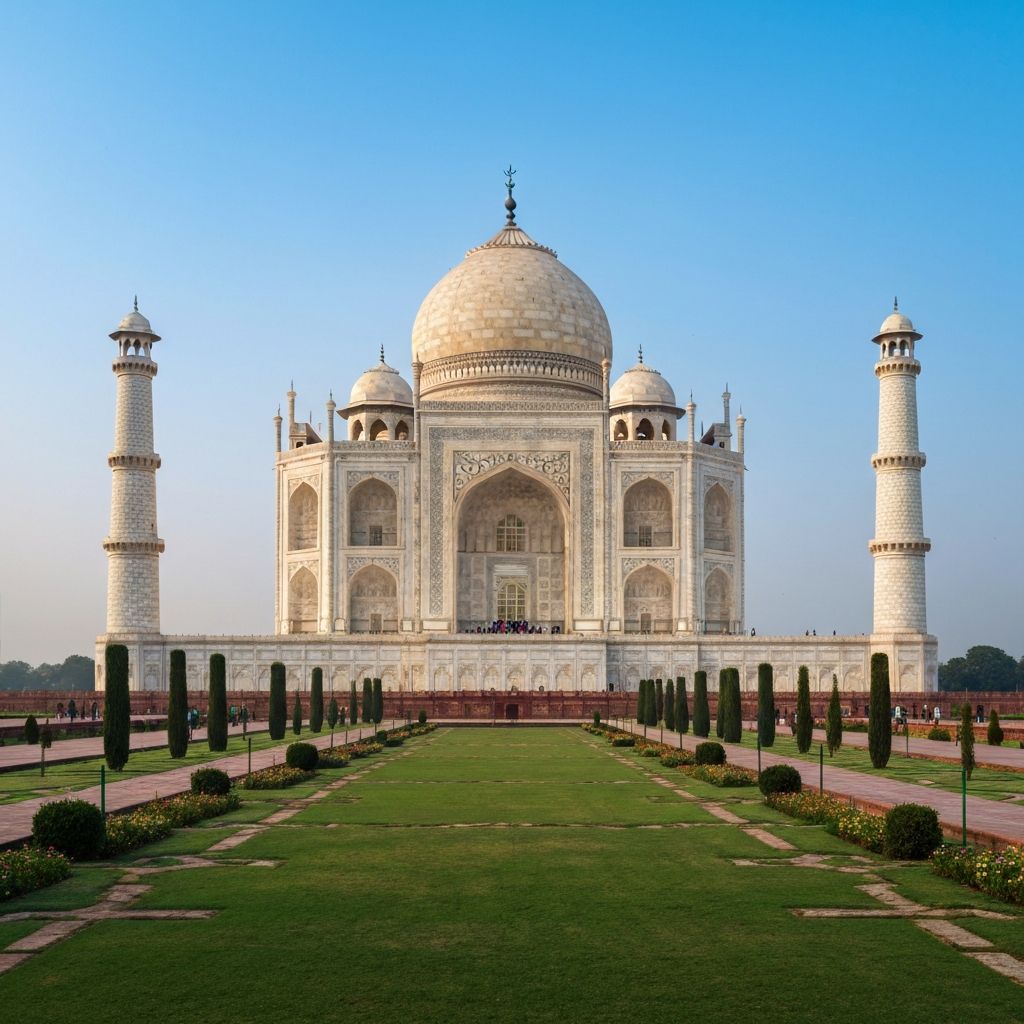
India eVisa for Singapore Citizens Traveling in September 2026: Complete Seasonal Planning Guide
Complete September travel guide for Singapore citizens. Learn about September weather, festivals, eVisa timing, what to pack, sample itineraries, and insider tips for planning an unforgettable September trip to India.
You've been thinking about visiting India, and September keeps coming up in your conversations. It's the transition month—the intense monsoon rains are fading, the landscapes are lush and green, and fewer tourists crowd the major attractions. But is September actually a good time for your first India trip from Singapore? What does the weather really feel like? How does the eVisa process work if you're planning a September departure?
This guide answers all those questions. You'll learn exactly what to expect in India during September, how to apply for your eVisa with September travel in mind, which destinations shine during this transitional season, what to pack for September's unique weather conditions, and how to plan a genuinely rewarding trip when most other travelers are still waiting for October.
Why September Is a Unique Time to Visit India from Singapore
September sits at a fascinating inflection point in India's calendar. It's not peak season. It's not low season. It's the threshold—the month when India itself is transitioning from one climate pattern to another.
The Weather Reality
The southwest monsoon is retreating. Instead of the daily afternoon downpours that define July and August, September typically brings intermittent showers. Rainfall is still present, especially in the first two weeks, but the intensity drops noticeably. By late September, many regions experience mostly clear skies with occasional evening showers.
For Singapore residents accustomed to humidity, September actually feels like a sweet spot. The heat that builds in October and November hasn't arrived yet. The air is fresher than pre-monsoon months. Humidity remains high (the country is still transitioning), but it's noticeably less oppressive than June-August extremes. Most days feature clear, pleasant afternoons with occasional rain clearing the air in late evening.
Regional variation matters in September. North India experiences earlier drying—Delhi and Rajasthan are mostly dry by mid-September, with clear skies and pleasant temperatures. South India, particularly Kerala and the Western Ghats, receives more September rainfall. East India sits in between. Understanding your destination's September weather pattern is crucial.
Price Dynamics
September is genuinely cheaper than October through March. Hotels reduce rates. Flights from Singapore cost less. Tour operators offer discounts. Restaurant pricing returns to normal. For Singapore travelers watching budgets, September offers substantial savings—sometimes 30-40% less than peak season rates for similar quality accommodations.
Thinned Tourist Crowds
Most international travelers follow predictable patterns. September sits in the gap. Popular attractions have noticeably fewer visitors. Popular restaurants don't require advance reservations. Tourist sites feel less overwhelming. For first-time visitors from Singapore, this thinned crowd is genuinely valuable. You experience authentic India more easily.
Why September Matters for Singapore Residents Specifically
Several factors make September particularly relevant for Singapore travelers. September often aligns with the start of the school term or Q4 business planning. September in Singapore is monsoon season with occasional extreme humidity. India's September weather, while still humid, offers novelty and change. Since most travelers book October-November, September bookings are easier.
Special Note: If you're considering extending your September trip into October or November to experience the festival season (Navratri, Dussehra, and Diwali), our dedicated October travel guide for detailed festival planning, or our comprehensive festival season and Diwali travel guide provides detailed planning strategies, accommodation booking tips, and what to realistically expect during India's most significant celebrations.
Understanding India's eVisa Process with September Travel in Mind
If you're planning September travel, you should apply for your eVisa at least 2-3 weeks in advance—ideally before late August. This timing ensures approval by early September while avoiding last-minute stress.
Which eVisa Type for September Travel
Singapore passport holders can choose from three main eVisa categories. The Tourist eVisa suits the vast majority of first-time September travelers. It covers leisure travel, sightseeing, visiting friends and family, and cultural experiences.
September travelers typically choose the 1-year multiple-entry option. The logic: if you enjoy September, you might return during peak season for specific experiences. The 1-year visa gives you flexibility. For a September trip alone, the 30-day single-entry eVisa is perfectly adequate and slightly cheaper.
Application Timeline for September Travel
Here's the realistic timeline:
- Late July / Early August: Research, decide on September travel, book flights
- Early to Mid-August: Gather documents and submit your eVisa application
- Late August/Early September: Receive approved eVisa, confirm flights, finalize accommodation
Why this timeline matters: You want eVisa approval before your flight departs. Submitting in late August risks approval arriving after your departure date, creating stress. Early August submission gives you comfortable buffer time.
eVisa Application Requirements for September Travelers
Gather these documents before submitting:
- Valid Singapore passport (at least 6 months validity beyond your intended return date)
- Recent color passport photo (white background, taken within 3 months)
- Scanned copy of your passport's biographical page (clear, color, readable)
- Email address for eVisa delivery
- Intended arrival date in India (your September flight landing date)
- Intended departure date (conservative estimate)
- Your current Singapore address
The application itself is straightforward: visit the official India eVisa portal, fill in your details exactly as they appear on your passport, upload your documents, pay the fee, and wait for email approval.
What to Expect: India in September
September in India is genuinely different from October onward or the monsoon months. Understanding what to expect prevents disappointment and helps you plan realistically.
North India (Delhi, Rajasthan, Punjab, Himalayas)
North India dries significantly by mid-September. Delhi experiences occasional showers in early September, but by mid-month, the skies clear dramatically. Temperatures range from 25-35°C (pleasant compared to June-August's 35-45°C extremes, but not as cool as November-December).
September is actually excellent for North India. The intense heat has broken. The monsoon has passed. Visibility is clearer than peak season. Rajasthan is spectacular in September. The palaces and forts emerge fresh from monsoon cleaning.
South India (Kerala, Tamil Nadu, Karnataka, Telangana)
South India receives more September rainfall than the north, particularly Kerala and the Western Ghats. The monsoon hasn't fully retreated. Rain typically comes in brief bursts rather than all-day downpours.
September is actually wonderful for South India if you embrace the green landscape. Backwaters in Kerala are full and beautiful. Agricultural landscapes are vivid green. Fewer tourists mean better experiences at popular sites.
East India (Kolkata, Odisha, Assam)
East India experiences late monsoon patterns. September still brings regular rainfall, especially in the first half of the month. By late September, conditions improve significantly. East India sees far fewer international tourists. September travelers experience remarkably authentic experiences.
September Festivals and Events Worth Planning Around
Several significant festivals occur in September or late August, affecting travel logistics and creating unique experiences.
Janmashtami (August/Early September)
This Hindu festival celebrating Lord Krishna's birth sometimes falls in early September. Understanding Janmashtami helps you appreciate temples and cultural sites. Hotels in Krishna pilgrimage sites fill during this period, but most other destinations remain accessible.
Ganesh Chaturthi (Late August/Early September)
This 10-day festival honoring Lord Ganesh peaks in early September in some regions, particularly Maharashtra. Major cities host large public celebrations. For cultural experiences, this is genuinely worth experiencing.
Onam (Late August/September in Kerala)
This harvest festival in Kerala transforms the state into celebration. Homes create elaborate floral designs, families gather, parades occur, and the entire state radiates festivity. If you're in Kerala in September, experiencing Onam is genuinely special. Hotels fill during the main Onam week, so advance booking is essential.
Packing Strategy for September Travel
September packing is unique. You're preparing for a climate that's transitioning, potentially wet in some regions, and warmer than peak season but cooler than summer extremes.
Clothing Essentials
- Lightweight, breathable clothing (cotton and linen): September heat is intense but not extreme. Cotton and linen allow sweat evaporation and air circulation.
- Rain-resistant light jacket: This isn't a heavy raincoat. It's a lightweight layer that protects against sudden downpours without trapping heat.
- Quick-dry travel pants: Two pairs of lightweight pants (not jeans—they retain moisture). Quick-dry fabric dries within hours.
- Moisture-wicking t-shirts: Protect against sun while allowing sweat evaporation. Long sleeves are practical for temples and conservative areas.
- Walking sandals that dry quickly: Open sandals that grip wet surfaces. Avoid purely flip-flop style sandals—you need stability on wet surfaces.
- Comfortable walking shoes: One pair that dries quickly and supports all-day walking.
Accessories & Gear
- Lightweight quick-dry towel: Hotel towels work, but a personal quick-dry towel is useful for spontaneous water activities.
- Sunscreen and sunglasses: September sun is intense despite cloud cover. High SPF sunscreen and quality sunglasses are essential.
- Compact umbrella: Not for heavy rain protection, but for shade and light rain. The compact UPF umbrella serves both purposes.
- Hat or cap: Protects from intense sun between clouds. Packable hats compress for luggage.
- First-aid kit: Blister treatment, antacid, paracetamol, motion sickness tablets.
September Itinerary Framework: Sample 7-Day Plan
If you're planning your first September trip to India, here's a realistic framework for a 7-day journey.
Days 1-2: Arrival and Acclimatization
Most Singapore-to-India flights land in Delhi, Mumbai, or Bangalore. These hub cities make sense for arrival. Day 1: arrive, transfer to accommodation, freshen up, grab dinner near your hotel, sleep. Jet lag will be substantial. Day 2: light activities only. Explore your neighborhood. Get comfortable with the environment.
Days 3-4: Core Destination Experience
Spend 2-3 days in your primary destination. September's thinned crowds mean you move at a comfortable pace without feeling rushed. If Delhi: Old Delhi walking tour, temple visits, food exploration. If Mumbai: Gateway of India, local beaches, colonial architecture. If Kerala: backwater houseboat experience, beach visits, local market exploration.
Days 5-6: Secondary Destination or Day Trips
If your primary destination is a major city, day trip options are excellent. September's shorter distances and cooler weather make these day trips comfortable.
Day 7: Buffer/Departure
Leave your last day relatively free. Catch up on rest if needed. Do last-minute shopping. Enjoy a leisurely meal. Transfer to the airport and depart.
Common September Travel Questions
Q: Is it safe to visit India in September?
Yes. September carries no safety risks beyond normal precautions. Use common sense: avoid very late-night wandering alone, stay in established tourist areas, trust your instincts. India is genuinely safe for tourists following standard travel sense.
Q: Will I get sick from the rain?
Not necessarily. September rain isn't mysterious disease-carrying precipitation. It's just rain. The standard precautions apply: drink bottled water (not tap water), eat at reputable restaurants, practice basic hygiene. Your body's adjustment to different food and bacteria is the actual concern, not the rain itself.
Q: How far in advance should I book flights and hotels?
6-8 weeks is ideal. This is far enough in advance to get better pricing, but close enough that weather forecasts are becoming accurate. Booking 3-4 weeks in advance works if you're flexible on dates.
Q: Can I visit Himalayas in September?
Yes, many Himalayan areas are excellent in September. Lower-altitude treks are ideal. High-altitude treks above 3000m may still be wet from monsoon. Research your specific trekking route's September conditions before booking.
Q: How much money should I budget for September?
Budget conservatively: SGD 50-80 per day for mid-range travel (decent hotels, mix of dining, transport, activities). September pricing is lower than peak season, so your SGD stretches further. A 7-day trip budget: approximately SGD 1,000-1,200 including flights, accommodation, food, and activities.
Q: What if my September trip gets rained out?
September rain typically comes in bursts, not all-day downpours. You adapt: move indoor activities (museums, temples, markets) to rainy periods, sightsee during clear windows. The rain actually keeps temperatures pleasant and clears crowds. Most travelers find September rain manageable and sometimes delightful.
Turning Your September Interest into Reality
You've read this guide. You understand September weather, festivals, packing, eVisa process, and what to expect. The question now is: are you actually going to book this trip, or is it remaining a conversation point?
The answer depends on your specific situation. But here's the practical next step:
Week 1: Make a firm decision. If yes, move to step 2. Week 2: Check your passport validity. Week 3: Research flights. Week 4: Book your flights. Week 5: Gather your eVisa documents and submit your application. Week 6: Once approved, book your accommodation. Week 7: Prepare, pack, and depart.
The difference between thinking about September travel and actually going is one decision: committing to dates and booking a flight.
Your September India Journey Awaits
September is genuinely special. It's the transition season when India refreshes itself. Monsoon greens remain while autumn clarity begins. Prices are lowest. Crowds are thinnest. Your eVisa is straightforward to obtain.
Most travelers who experience India in September say it's their favorite time. The combination of pleasant weather, affordable prices, thinned crowds, and cultural authenticity creates something peak season can't match.
The only question remaining is: are you booking that flight? If you're ready to start your eVisa application or have questions about September travel specifics, begin your India eVisa application today, or contact us for personalized September travel guidance.
Your September in India is closer than you think.
Ready to Visit India?
Get your India eVisa quickly and easily with our expert assistance